40 Social Media Post Ideas for Music Schools and Teachers
By IndieAM ·
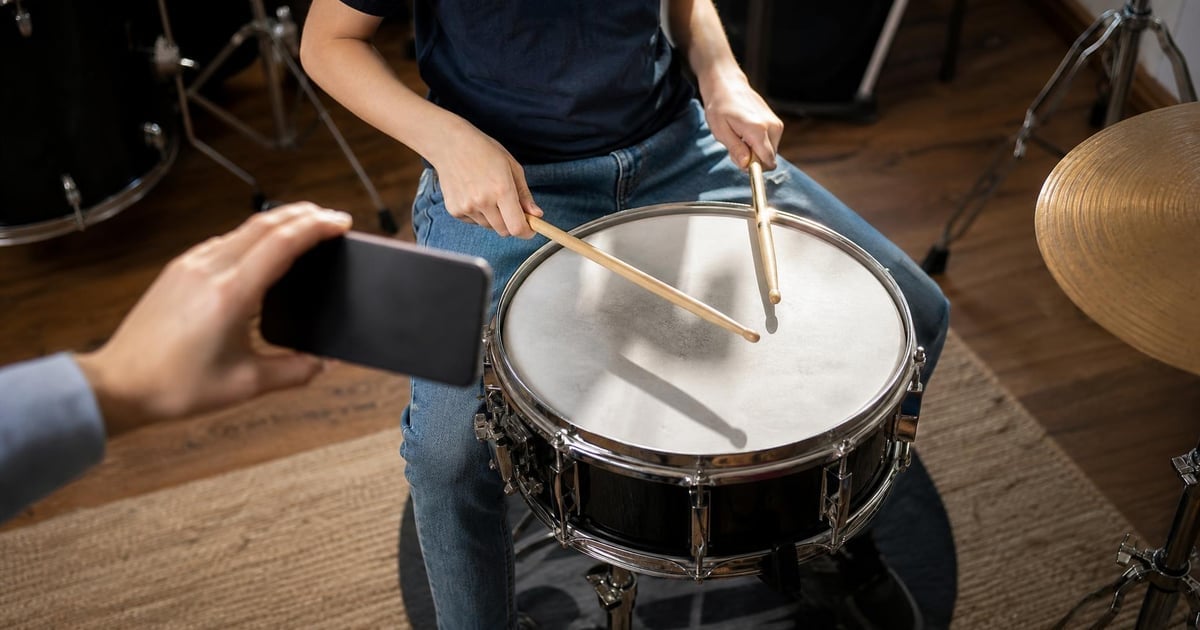
The best social media posts for a music school show what a lesson feels like, from the first nervous minute to the recital bow. Parents want to know their child will enjoy it and stick with it. Adult beginners want to know it isn't too late. Below are 40 ideas grouped by type, with notes on who each one speaks to and the format that suits it. Pick four or five for the next two weeks.
The examples are made up to show the idea. Swap in your own instruments and teachers, and skip anything that doesn't fit.
Two audiences, two kinds of post
Most music schools teach two very different groups, and one post rarely speaks to both:
- Parents want to know: Will my child enjoy it? Will they stick with it? Is the teacher kind? How much practice will we need to nag about?
- Adult beginners want to know: Am I too old? Will I feel silly? Can I fit it around work?
So each idea below is marked (parents), (adults) or (both). A good month has some of each.
Inside a lesson
- What happens in a first lesson. Step by step, as a carousel. (both)
- The first five minutes of a lesson for a six-year-old. A short video of the games and the warm-up. (parents)
- A lesson for a grown-up beginner, from the teacher's side. (adults)
- One thing a student learned this week. A new chord, a scale, a rhythm. (both)
- Hands on the keys, frets or strings, filmed from above. No faces needed. (both)
- How a teacher fixes one common problem. Tense shoulders, a collapsed wrist, rushing. (both)
- What's in a lesson bag. Books, pencil, a practice notebook. (parents)
- Thirty or forty-five minutes? Which lesson length suits which student. (both)
Practice tips
- Five-minute practice for a busy week. (both)
- How much practice is enough, really. Honest, kind and specific. (both)
- How parents can help without nagging. (parents)
- Where to put the instrument at home so it actually gets played. (both)
- How to practice a tricky bar. Slow, small chunks, then the whole thing. (both)
- What to do when practice feels boring. (both)
- A practice chart you can print. Shared as a picture. (parents)
- Practicing with headphones, for apartments and late evenings. (adults)
Choosing and starting
- Is it too late to learn as an adult? Answer it warmly. (adults)
- Piano or guitar first? How parents can choose. (parents)
- What age can my child start? For each instrument you teach. (parents)
- Do I need to buy an instrument first? What to rent, borrow or buy. (both)
- What a trial lesson involves, and what happens next. (both)
- Why we teach songs students want to play, alongside the basics. (both)
- Group class or private lessons? Who each suits. (both)
- What reading music actually involves, for the nervous beginner. (adults)
Meet the school
- Meet each teacher. The piece they learned first, and what they love teaching. (both)
- A teacher plays. Thirty seconds of something they love. (both)
- Your rooms. The piano, the drum room, the waiting area for parents. (parents)
- Why you started the school. (both)
- A day in the school, from the first morning adult lesson to the last after-school slot. (both)
- What a teacher is learning right now. It shows you keep growing too. (both)
Recitals and milestones
- What to expect at your first recital, for students and parents. (parents)
- Recital countdown. What students are preparing, without spoiling it. (parents)
- The recital itself, with permission: the room, the bow, the applause. (both)
- A student's first full piece. A milestone worth marking. (both)
- An exam or grade passed, if the family is happy to share it. (parents)
- An adult student's story, in their own words. (adults)
Enrollment and news
- Open slots this week. Day, time and instrument. Only when it's true. (both)
- Back-to-school enrollment. When it opens and which slots fill first. (parents)
- Lessons as a gift. Before the holidays, for children and for adults treating themselves. (both)
- Summer camp or holiday workshops. What happens each day. (parents)
Which format to use
- Short videos (Reels, YouTube Shorts) for hands playing, a teacher's tip, the first minutes of a lesson. Here's how to make Reels with just your phone.
- Carousels for anything with steps: the first lesson, choosing an instrument, recital day.
- Single photos for a new teacher, a room, a milestone.
- Facebook posts for news parents will share: open slots, enrollment dates, recital details.
Photos of students: ask first, always
Lessons and recitals are your best moments, and most of them involve children. Some simple habits:
- Ask parents in writing before you post a child, and keep a list of who has said yes.
- Hands and instruments often tell the story without a face.
- Never post a child's full name, school or anything that says where they'll be.
- Take a post down straight away if a family asks.
When in doubt, film the teacher, the room or the instrument instead.
Music, copyright and your videos
A student playing a piece is the natural thing to film. But the piece has a copyright of its own, separate from any recording of it:
- Older pieces are the safest. In the US, Duke's Center for the Study of the Public Domain notes that musical compositions from 1930 entered the public domain on January 1, 2026. So most classical repertoire and older folk tunes are fine to play. A recording someone else made is a separate copyright, so play it yourselves rather than over a track.
- Newer songs can be claimed. On YouTube, a video with claimed music may be muted, blocked in some places, or carry ads for the rights holder.
- Background music is another matter. Law firm Osborne Clarke warns that most platform music libraries aren't licensed for commercial use. Your students' own playing is usually the best soundtrack anyway.
This isn't legal advice, so ask a professional if you're unsure about a particular piece.
How many of these should you post?
Three good posts a week is plenty for most music schools, and we go through the evidence in how often to post. Plan around your year: enrollment posts in late summer, gift posts before the holidays, recital posts in spring. Here's how to plan a month in one sitting.
Your current families matter too. A short newsletter keeps them close and gives them something to forward. Here are newsletter ideas for small businesses.
If you'd rather not write them yourself
You know what should go out. Finding time to write it, between lessons, scheduling and parents, is the hard part. You could:
- Set aside half an hour a week and write three posts at once.
- Ask a teacher who enjoys it, and pay them for the time.
- Hire a freelancer. Here's what a social media manager costs.
- Use software that does the writing. IndieAM, which we make, plans posts for your school around the audience you want more of, such as adult beginners or parents of young children, writes them in your voice and adds the pictures. You can add a rule such as never showing students' faces without saying parents agreed. You approve the plan and each post, and approved posts publish themselves to the Instagram, Facebook and YouTube accounts you connect. Your teachers can sign in to review posts too. Here's how it works for music schools.
Or start with number 1 today. You give first lessons every week. Write the steps down, add a photo of your lesson room, and post it.