Music school marketing, from people who ran a music school
You know what should go out: back to school, new classes, recital season, open lesson slots. Writing it is what never happens. IndieAM plans the posts for your school, writes them in your voice and adds the pictures. You approve them, and they go out on their own.
Start your free trialWhat makes marketing hard for a music school
You know what to post, but writing it waits
Between lessons, scheduling, teachers and parents, the post about open Tuesday slots slides to next week, then the week after. By the time it goes out, the slots are gone or the term has started.
With IndieAM: IndieAM turns what you already know into a campaign with a goal and a timeline, writes every post and lines them up for your approval, so the post about open slots goes out while they're still open.
Parents and adult students need different words
A parent wants to know their child will enjoy it and stick with it. An adult beginner wants to know it isn't too late and nobody will judge them. One post rarely speaks to both.
With IndieAM: Tell IndieAM who you teach and who you want more of. Each campaign is built around one audience, so the posts for adult beginners sound nothing like the posts for parents of six-year-olds.
Busy seasons arrive all at once
Back to school, holiday gifts, spring recital, summer camp. Each one needs posts weeks before it starts, exactly when you're busiest with the last one.
With IndieAM: IndieAM plans a month at a time with a steady rhythm of posts, so each season's campaign is written and approved before it's upon you.
You can't post students' faces freely
Recitals and lessons are your best moments, but you need parents' permission, so most of what you could share stays on your phone.
With IndieAM: IndieAM uses your own photos where they fit, such as the lesson room, the piano or hands on the keys, and makes pictures with AI where any photo will do. You can tell it never to name or show students without saying parents agreed.
Sample
What IndieAM would make for a music school
These are posts IndieAM wrote for Cedar Lane Music School, a made-up music school we set up to show what you'd get. It isn't a real customer, and no results are shown.
Campaign ideas IndieAM offered
Daytime Piano, Just for YouChosen below
Piano lessons as a welcoming option for adults who always wanted to learn or are coming back after years away, in open daytime slots.
Little Musicians Afternoons
The group class for ages 4 to 6 as a fun first step into music, in open weekday afternoon slots.
Play Your Favorite Songs
Guitar lessons for teens, built around the music they actually listen to.
Monthly campaign
Sample posts from the campaign “Daytime Piano, Just for You”
Piano lessons as a welcoming option for adults who always wanted to learn or are coming back after years away, in open daytime slots.
64 posts across 7 channels, from 18 unique posts
Here are 5 of the unique posts, as IndieAM wrote them.
Text post
Facebook
Is it too late to start piano as an adult? The answer is always the same: no. There's no age cutoff for learning something you've always wanted to play, and starting now doesn't mean starting behind. At Cedar Lane Music School, lessons are built around the music you actually want to play. If you've been thinking about finally sitting down at the piano, send us a message and ask about daytime openings that might fit around your week.
Photo post
Instagram · Facebook
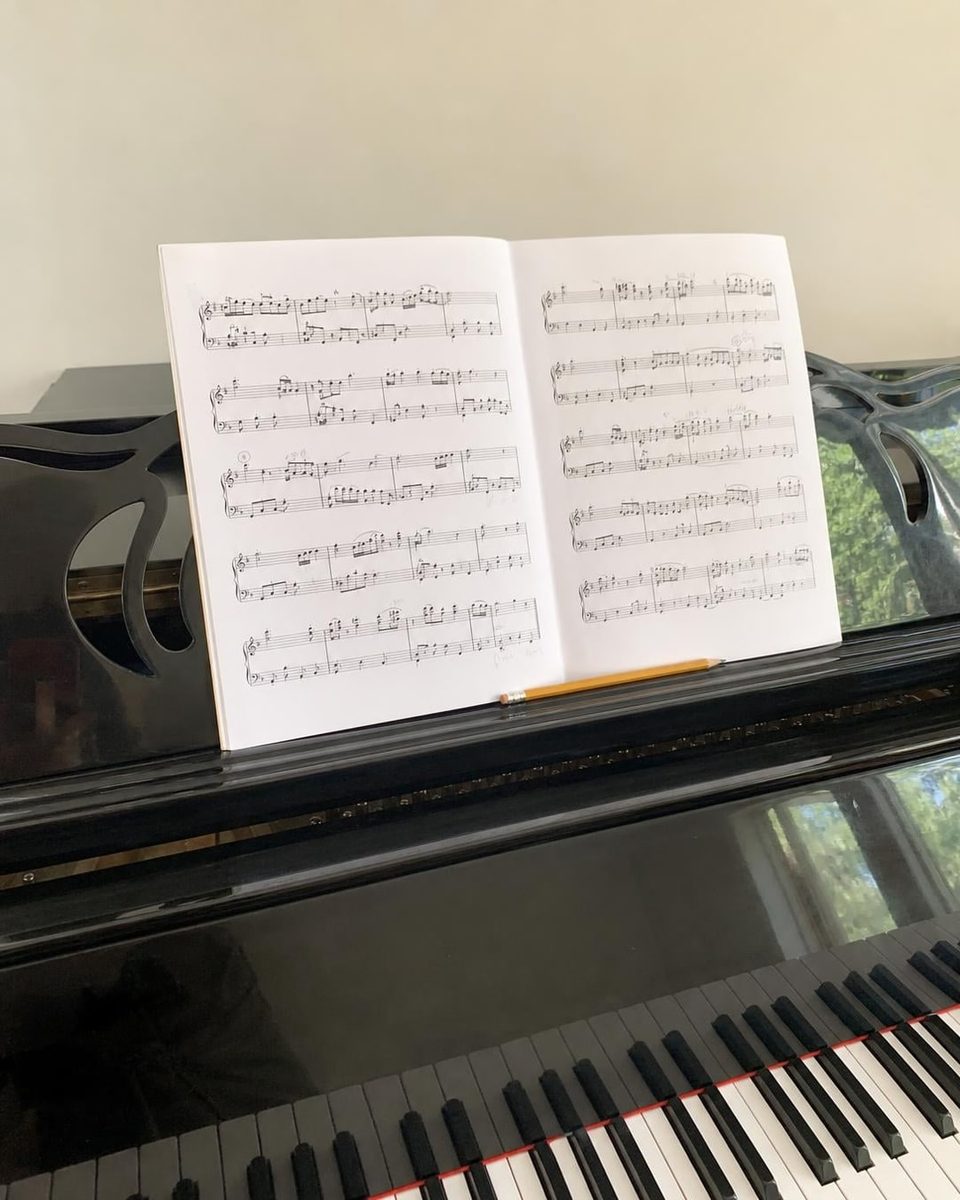
Comparing yourself to the kid who started piano at six? Let's stop doing that. It's one of the easiest traps for adult beginners: you hear a child down the hall playing something fast and clean, and suddenly your own slow, careful progress feels like it doesn't count. It counts. At Cedar Lane Music School, adult students work on the music they actually want to play, not a set track everyone follows at the same speed.
Reel
Instagram · Facebook
The piano room looks different in the middle of the day - quiet and unhurried. Whether you've always wanted to learn or you're picking it back up after years away, Cedar Lane Music School teaches the music you actually want to play, a little every day.
Photo post
Instagram · Facebook
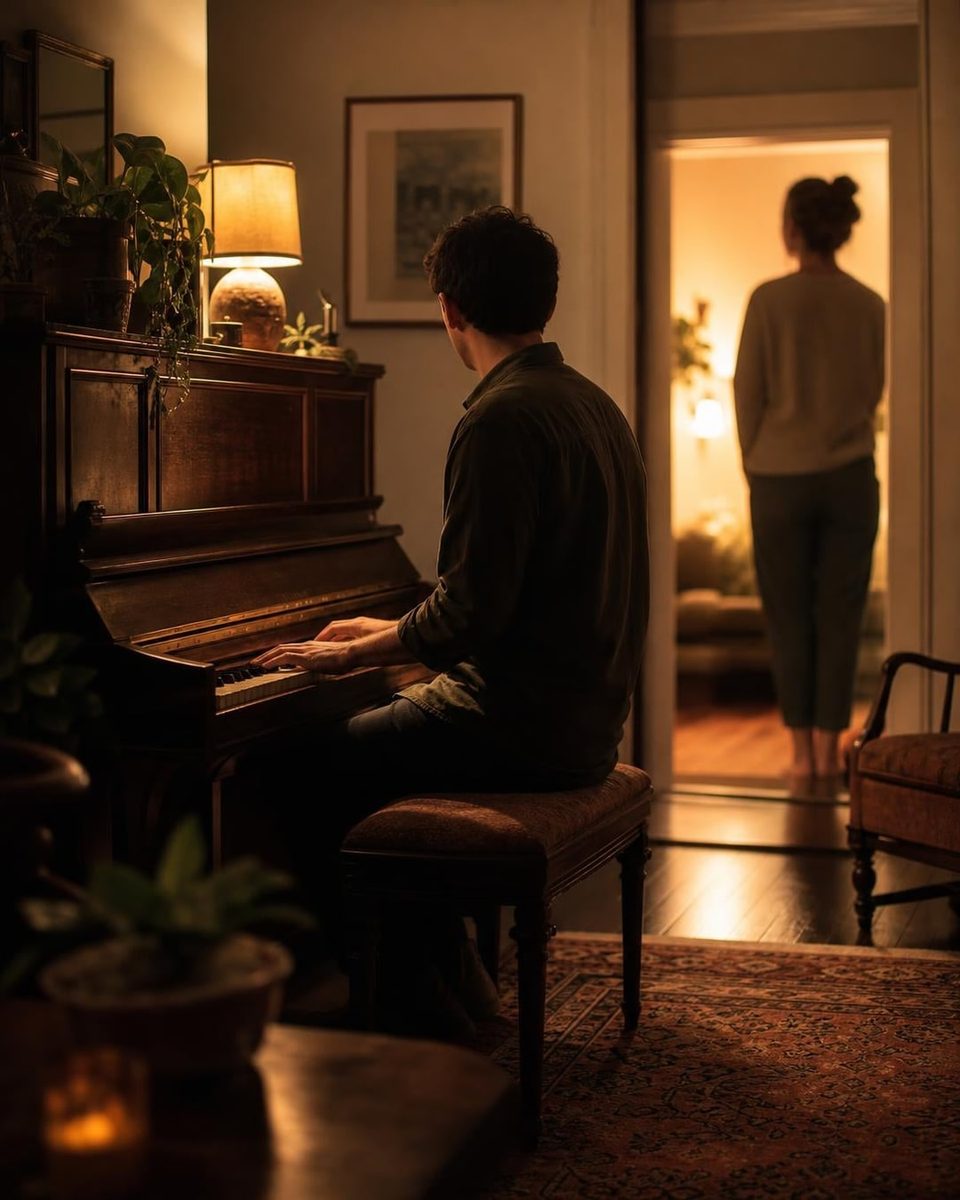
Still waiting for a big free block to practice? It may never come - and you don't actually need it. Five minutes before work. Ten minutes on a break. A few minutes after dinner while the house is quiet. A little every day adds up in a way that one long, perfect session never gets the chance to. Reach out to Cedar Lane Music School to ask about lesson openings.
Carousel
Instagram
6 slides, swipe to see them all
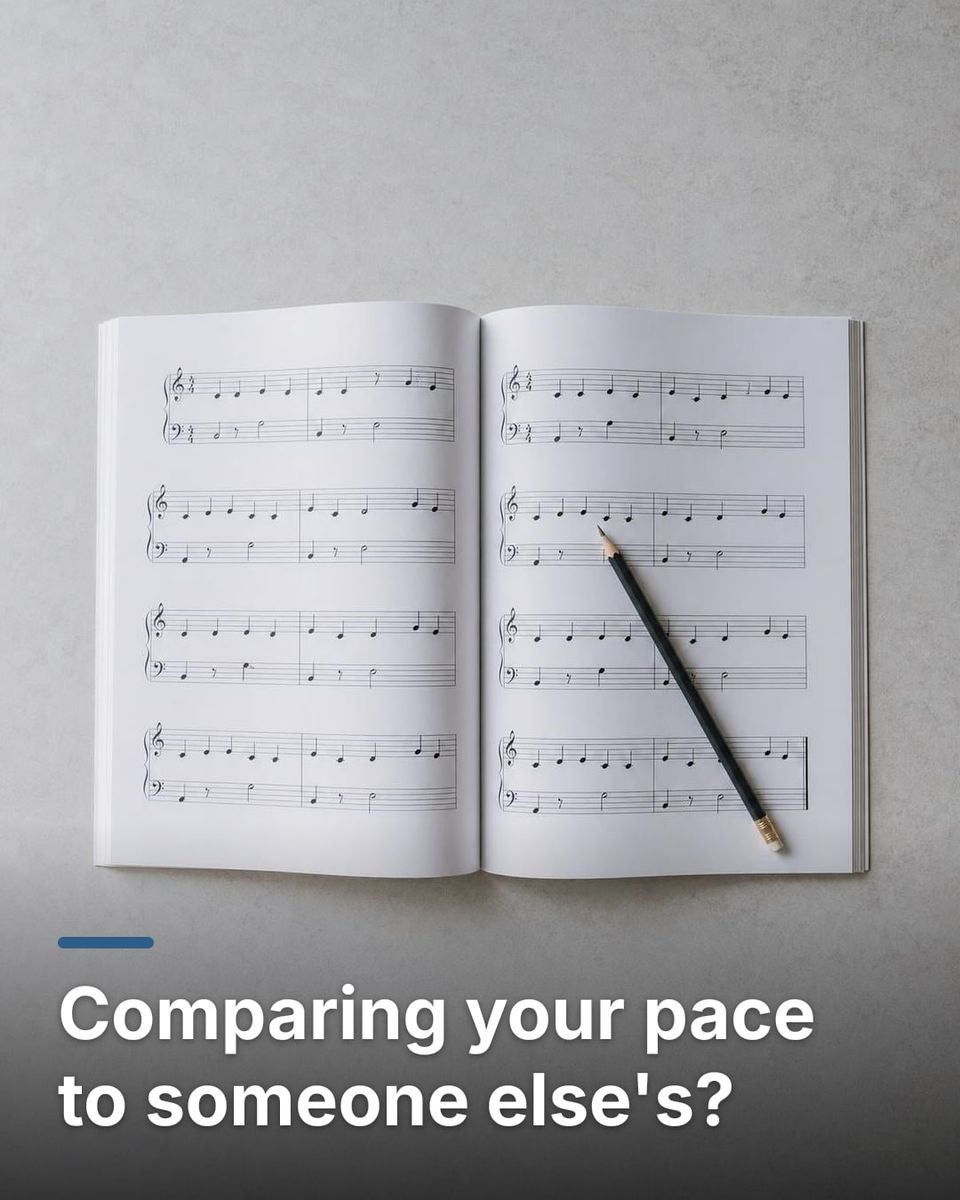
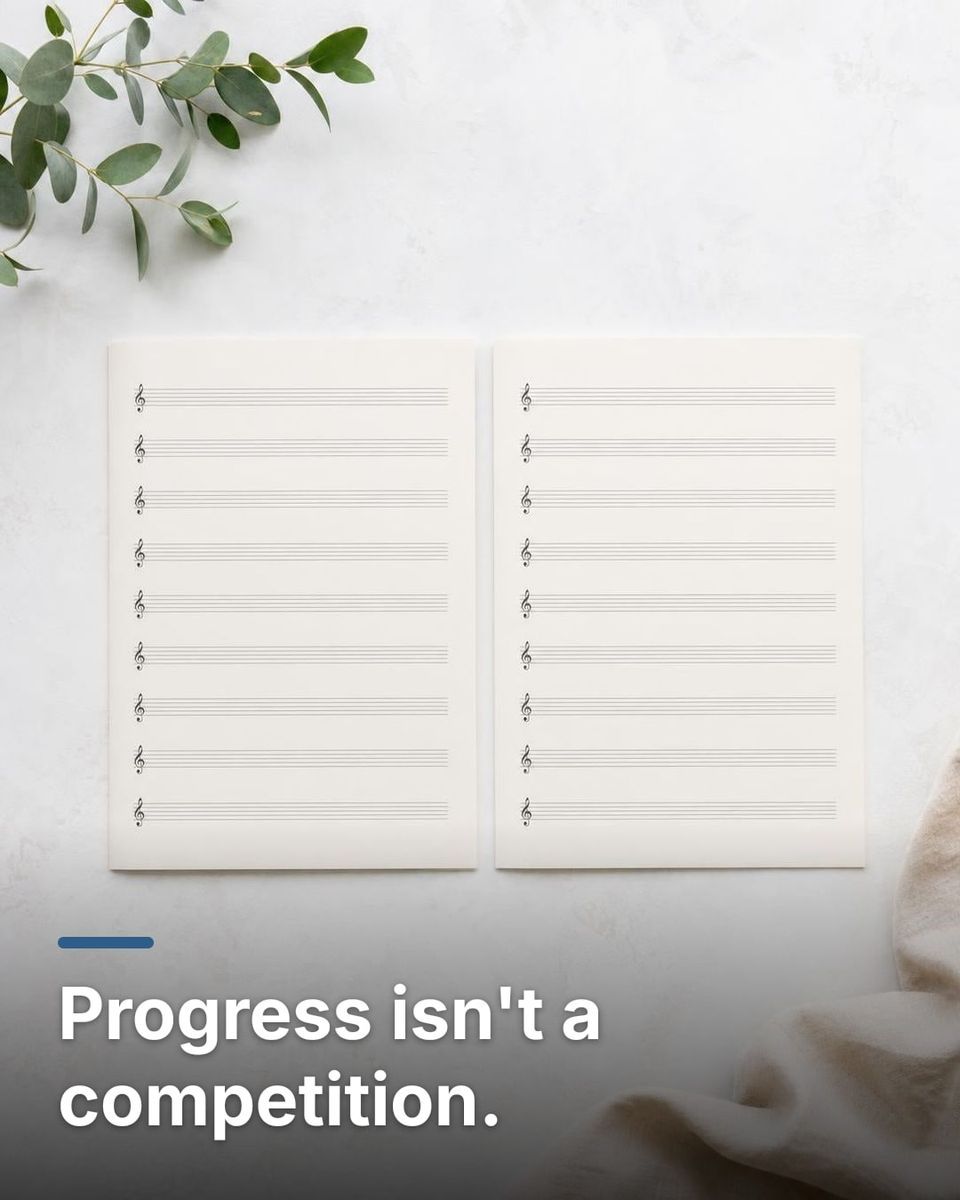
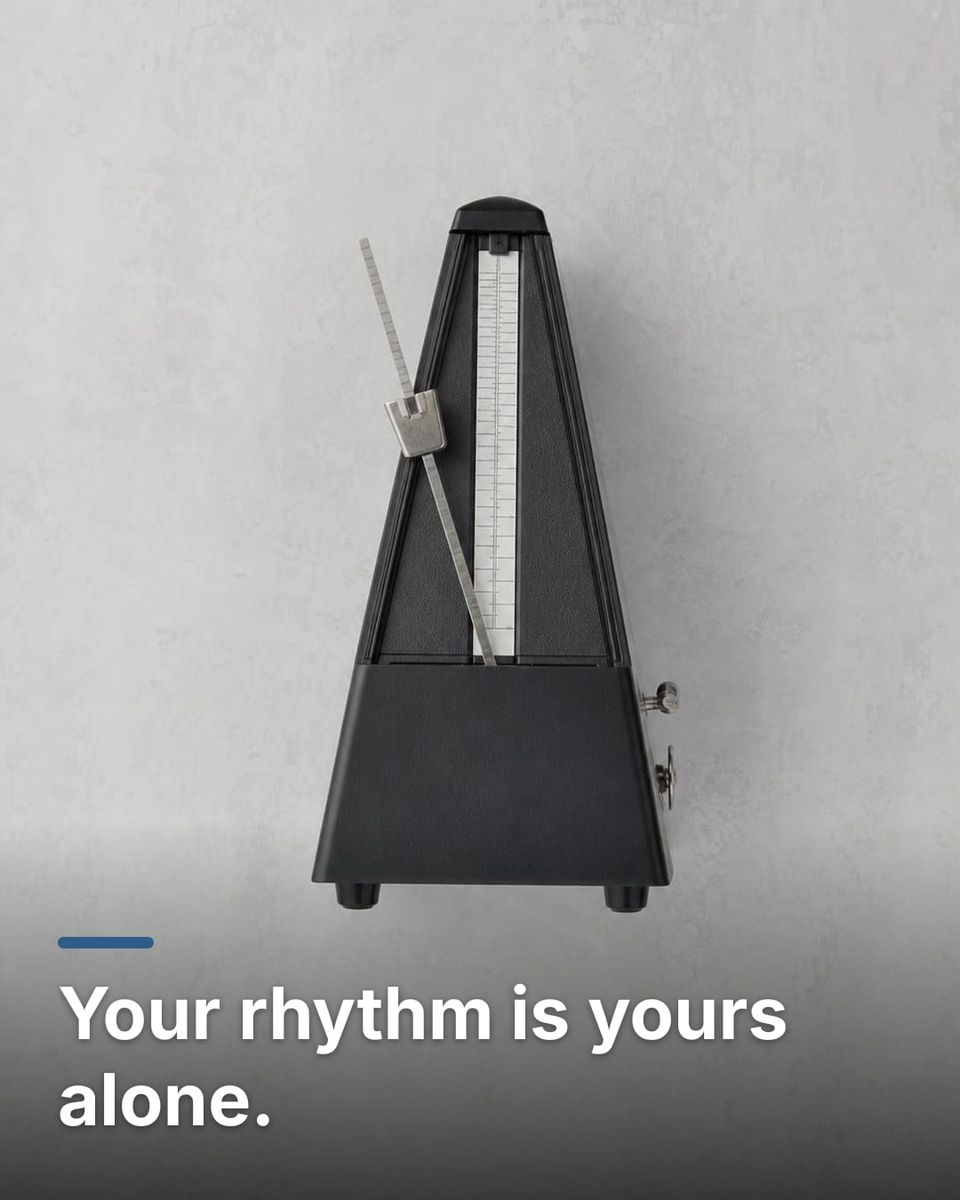
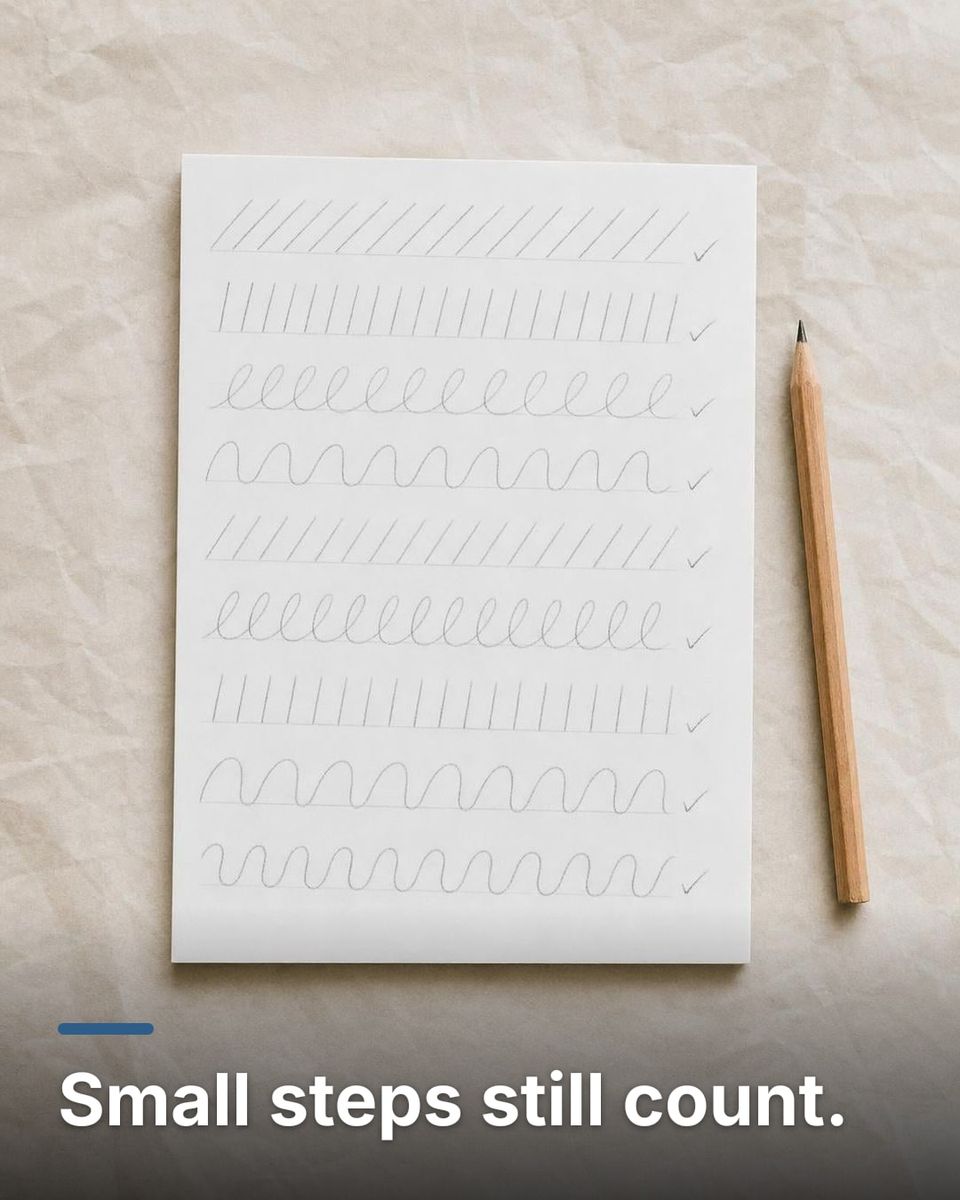
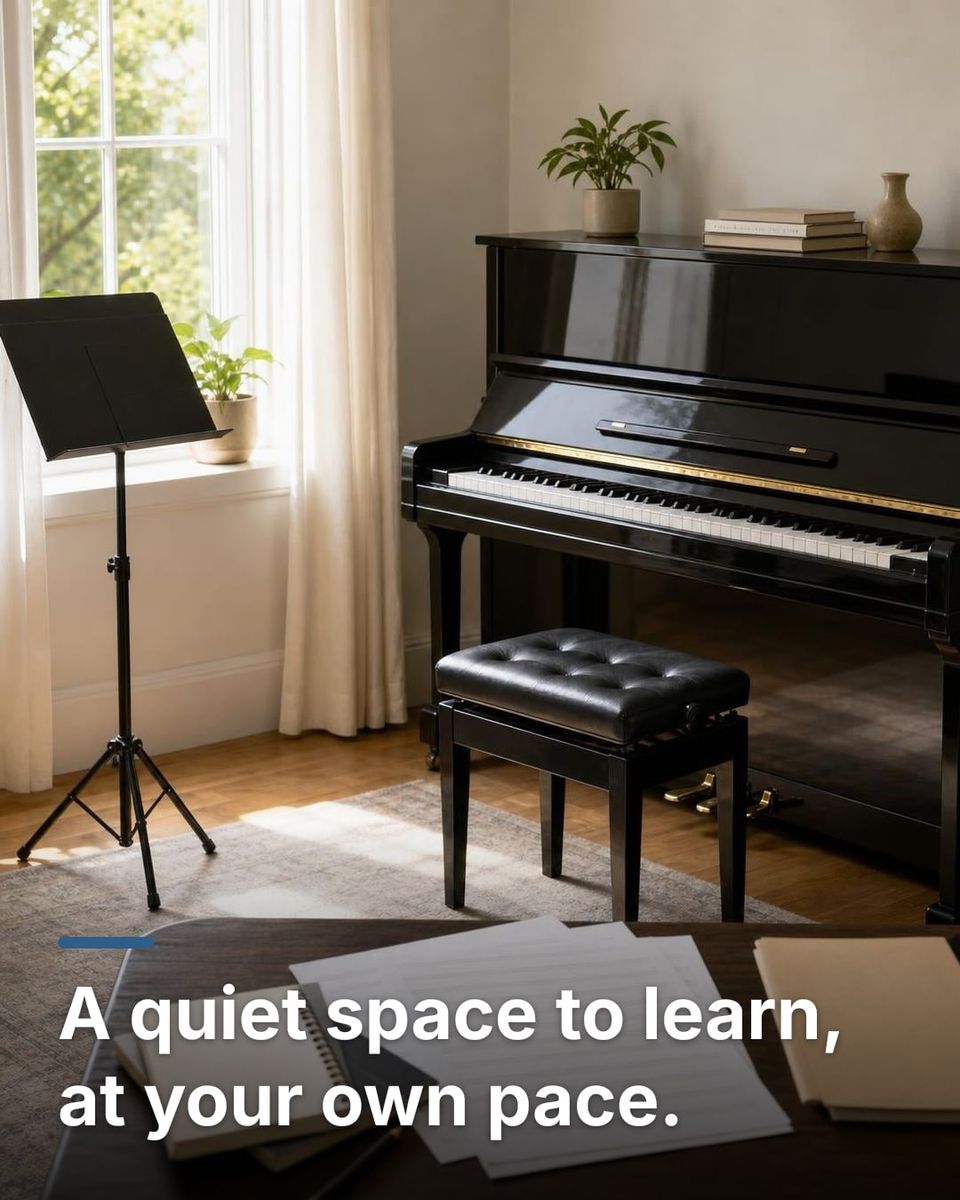
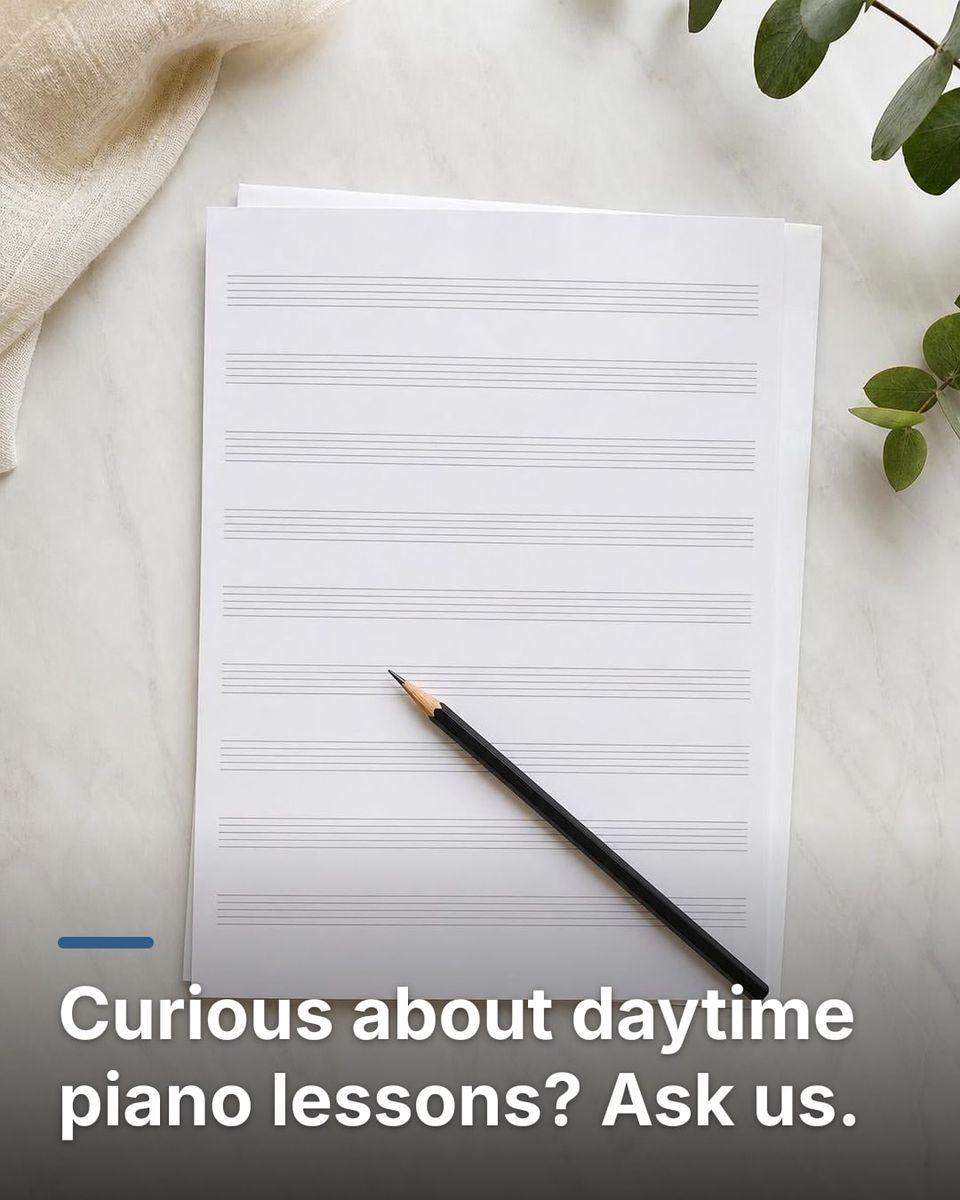
Starting piano as an adult can feel like stepping back into grade school - except there's no one grading you. Music isn't a race. It's a little every day, built around the music you actually want to play. If weekday daytime lessons would fit your life better, ask us about openings.
Short campaign · 2 weeks
Sample posts from the campaign “Give the Gift of Music”
A month of lessons as a holiday gift parents can give their child, built around starting something new in the new year.
29 posts across 7 channels, from 8 unique posts
Here are 2 of the unique posts, as IndieAM wrote them.
Photo post
Instagram · Facebook · Google Business Profile
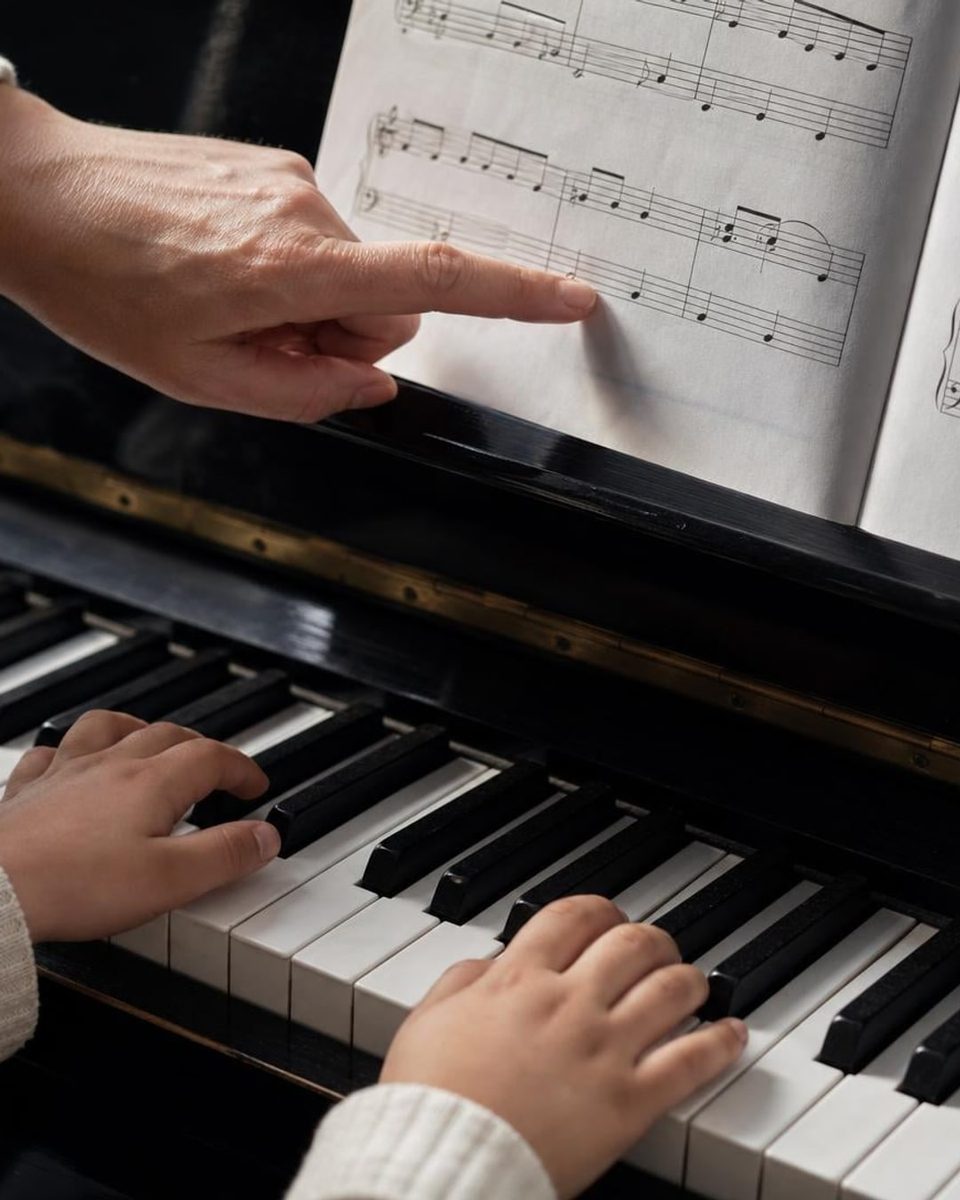
First notes, first songs, first recital. Starting piano doesn't have to feel big. At Cedar Lane Music School, private piano lessons are weekly - 30 or 45 minutes - for kids and adults just starting out, from first notes all the way to grade exams. Lessons start simple: finding notes, counting rhythms, reading that first line of music.
Photo post
Instagram · Facebook · Google Business Profile
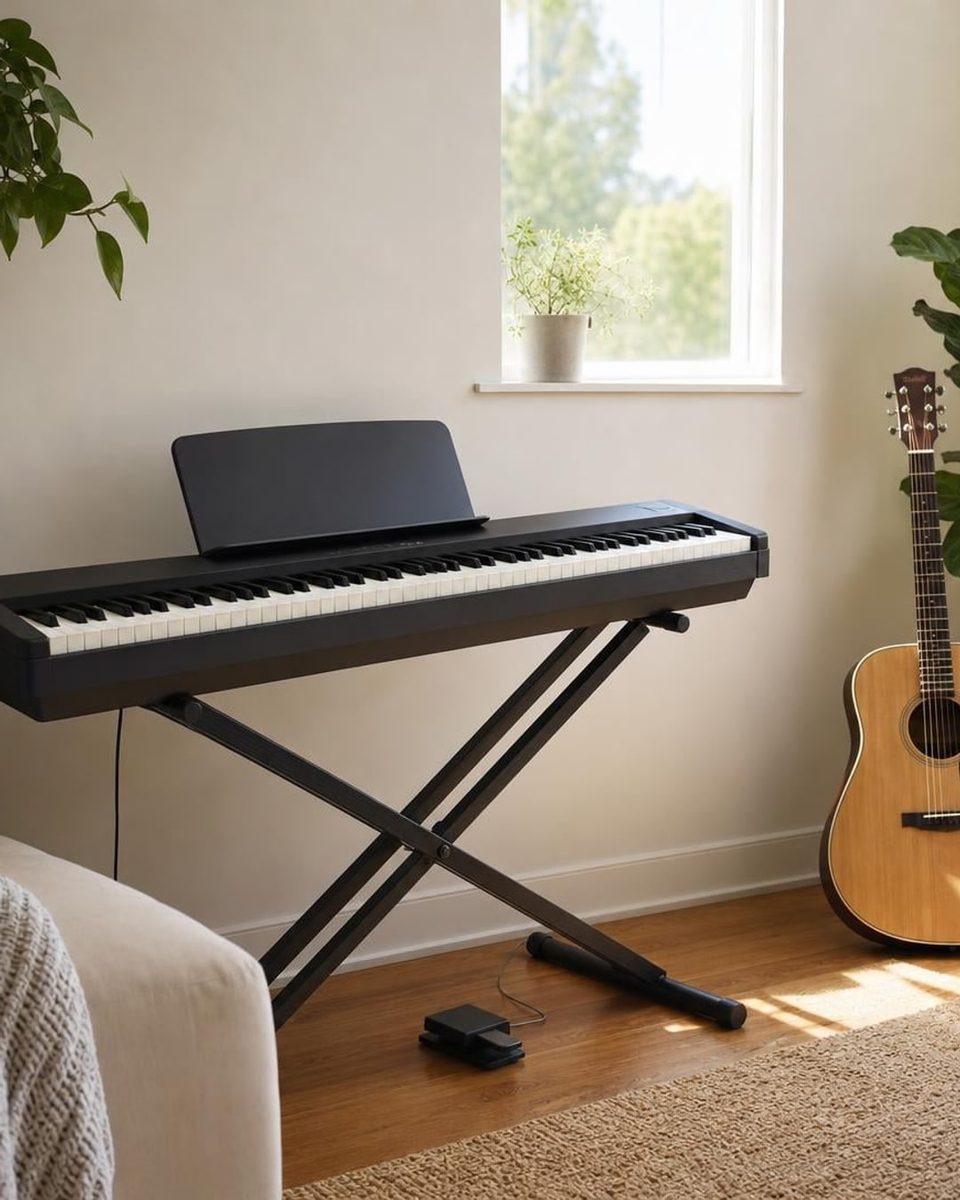
Piano or guitar? Here's what practice really looks like at home. Piano stays put in one room - practice means sitting down, both hands on the keys. Guitar goes wherever your child wants to sit - living room, porch, floor. A little side-by-side from Cedar Lane Music School for parents picturing the choice: both ask for a little every day, just in their own way.
Short campaigns
A deal or an event? Run a short campaign beside your month
A short campaign is a one- or two-week push of its own - a deal, an event, a quiet week to fill - planned and written like your monthly campaign, on the same accounts, while your monthly campaign keeps running. Short campaigns come with the plan, not the free trial, and use credits from your plan's allowance.
Gift a month of lessons
Two weeks before the holidays about giving music lessons as a present, with your gift offer, for parents and for adults treating themselves.
Recital week
A week around your recital: what students are preparing, what the day is like, and how new students can join in time for the next one.
Back to school slots
A short push in late summer for the afternoon slots that fill first, so families book before the term starts.
10 post ideas for music schools
IndieAM turns ideas like these into finished posts for your music school, written in your voice.
- Is it too late to learn piano as an adult?
- Piano or guitar first: how parents can choose
- What happens in a child's first lesson
- How much practice is enough, really
- Meet the teachers: the piece each of them learned first
- What to expect at your first recital, for students and parents
- Thirty or forty-five minutes: which lesson length fits
- Five-minute practice ideas for busy weeks
- Why we teach the songs students actually want to play
- What our youngest class does in a typical session
Where music schools should post, and why
Facebook
Where parents are. Lesson openings, recital news and posts that answer parents' questions get shared in local groups and between friends.
Instagram
Short reels of lessons and practice tips show what a lesson feels like, which is what both parents and adult beginners want to see before they ask.
YouTube
Shorts with a practice tip or a teacher playing reach people searching for help with an instrument, and keep doing so for months.
Google Business Profile
Families search for music lessons near them. Fresh updates on your Google Business Profile show a school that's open, active and enrolling.
Email newsletter
Your current families are your best source of new students. A short newsletter keeps them close and gives them something to forward.
How it works
Four steps. You approve each one.
- 1
Tell us about your business
Paste your website or a social profile. We draft your profile - what you sell, who buys it, your goals, your voice. You confirm or tweak it. No blank forms.
- 2
Pick a campaign
We suggest campaign ideas built around your customers and goals. Keep the ones you like, then choose the topics you want covered.
- 3
Approve the plan
A day-by-day calendar: 3–5 posts a week with a video every week, spread across the channels you actually use. Move, edit or swap anything, then approve.
- 4
Review, approve, done
We write the captions, articles, newsletters, video scripts and slide-by-slide carousels, each with a suggested time. We add pictures from your library, make them with AI where any photo will do, and finish videos from your clips and photos. Approved posts publish themselves to the accounts you connect; for the rest, a daily email says what's due and you mark it posted.
Why IndieAM started with a music school
For eleven years our co-founder ran a music school with a business partner. They were good at what keeps a school running: enrollments, scheduling, teachers, events, parents and the hundred small decisions a week. They ran real campaigns too, back to school, new classes, new terms, and they were never once consistent with them.
They always knew what to post. Writing it well was the part neither of them had time for, so it slid behind whatever was on fire that day, and every gap made the next post harder to start.
IndieAM is the tool they wished they'd had. It does the planning and the writing, and it never takes a decision out of the owner's hands: nothing goes out until you approve it.
Questions music school owners ask
Will it sound like my school, or like a generic lesson ad?
Like your school. During setup IndieAM reads your website and recent posts and drafts your voice, and you correct anything that's off. You can edit any post before you approve it, or treat it as a first draft and add the detail only you would know.
Can I focus a month on one thing, like adult beginners or one instrument?
Yes. When you ask for campaign ideas you can choose the audiences, goals and lessons to focus on, and every idea is built around them. One month can be about daytime adult piano, the next about the youngest class.
What about photos of students?
You decide. Add a rule such as never showing students' faces without saying parents agreed, and every post is written with it. IndieAM uses your own photos of rooms and instruments where they fit, and makes pictures with AI where any photo will do.
Does it post for me?
Yes. Connect Instagram, Facebook or YouTube and approved posts go out on their own. Google Business Profile updates and newsletters come ready to copy, and a daily email tells you what's due.
Can my teachers help?
Yes. Invite your team to your school's account, each with their own sign-in. Owners handle billing and the team; everyone else can review, edit and approve posts.
Articles for music schools
November 11, 2026
How to Get More Music Students for Your School or Studio
November 11, 2026
40 Social Media Post Ideas for Music Schools and Teachers
November 11, 2026
Back-to-School Enrollment for Music Schools: A Six-Week Plan