Yoga Intro Offers and Beginner Series That Keep Students
By IndieAM ·
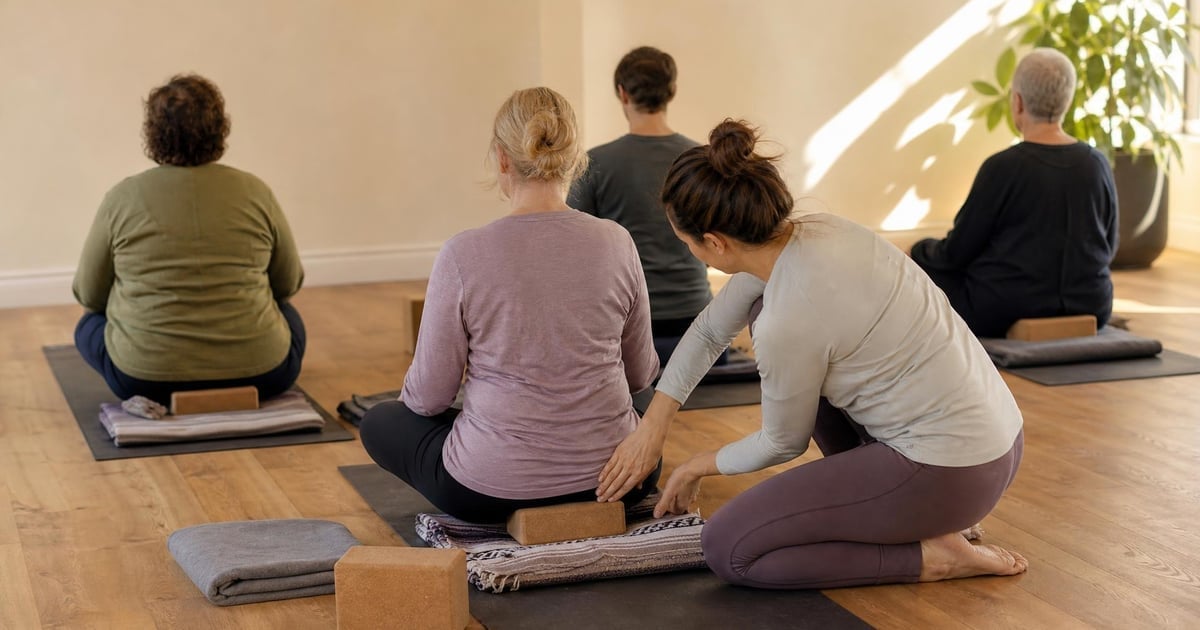
A yoga studio keeps new students when the first step is easy to take and the first few weeks build a habit. An intro offer gets someone through the door. A beginner series, a warm first class and a personal follow-up are what turn that visit into a regular practice. Here's how to set up each part, and how to tell people about it.
Why the first weeks matter most
Most people who try a studio once never come back, not because they disliked it, but because life got busy before it became a habit. The weeks after a first class are when that's decided.
There's little research on yoga studios specifically. The closest useful study followed 111 new gym members and found that exercising at least four times a week for six weeks was the minimum needed to build a habit, and that consistency, simplicity and enjoying the sessions all helped. It's one study, about gyms, so take it as a rough guide. But the lesson carries over: make the first weeks regular, simple and enjoyable.
1. Choose one clear intro offer
A good intro offer is easy to understand, easy to say yes to, and leads somewhere. Common types:
- An intro week or month: unlimited classes for a short time, so people can try several.
- A small intro pack: a few classes to use within a set time.
- A first class at a lower price, followed by a clear next step.
- A beginner series as the intro itself (see below).
Whichever you choose:
- Pick one, and use the same name and price everywhere.
- Give it a time limit, so people use it rather than save it.
- Make the next step obvious: what it costs to continue, and how.
- Keep it for newcomers, and say so plainly.
2. Run a beginner series
A beginner series gives nervous newcomers a start date, a group to start with, and a reason to keep coming for several weeks.
- Make it short and regular: for example, once or twice a week for four weeks, always on the same day and time.
- Keep the group small and the same each week, so people get to know each other.
- Build it week by week: breath and the basics first, then a few standing poses, then putting it together.
- Explain the props in the first session, and use them freely.
- End with a next step: which regular class to join, with someone they already know.
- Run it on a regular rhythm, such as one starting every month, so there's always a next one to point to.
3. Make the first class feel easy
The first visit decides a lot. Small things make the biggest difference:
- Send a short welcome message before the class: what to bring, where to park, when to arrive.
- Meet them at the door by name, and show them the changing room and the props.
- Tell the teacher there's a newcomer, so they can offer options without singling anyone out.
- Ask before offering hands-on help, and accept a no.
- End with a quick hello afterwards: "How was that? Would you like help choosing your next class?"
4. Follow up personally
- Send a short note the same day, from the teacher if you can.
- Help them book the next class before the intro offer runs out.
- Check in after a missed week: "We missed you on Thursday. Everything OK?" Not a sales message.
- Mark small milestones: the end of the series, a tenth class.
5. Tell people about it
Beginners are nervous, so your posts need to answer their worries before they ask:
- Do I need to be flexible? No, and say so kindly.
- What happens in a first class? Step by step, as a carousel.
- What are the props for?
- When does the next beginner series start, and how do I sign up?
A few habits help:
- Start posting about each series two to three weeks before it begins, with the start date and spots left. That timing is our suggestion: adjust it to how far ahead your students plan.
- Post it on your Google Business Profile too: Google lets you post events and offers there.
- Use the busy moments: the new year, after summer, a sunny spring. More people decide to try yoga then.
- Email past students who stopped coming. A new series is an easy way back. Here are newsletter ideas for small businesses.
For more ideas of what to post, see 40 Instagram post ideas for yoga studios.
6. Don't oversell what yoga will do
Promises like "detox", "cure your back pain" or "melt stress away" can sound preachy, and they're claims you'd need to back up. The FTC's guidance for health advertising expects health claims to be supported by competent and reliable scientific evidence. It's written for health products, but it's a good rule of thumb for a studio too. Describe how a class feels and what you do in it, and let students tell you what it does for them. This isn't legal advice.
7. Find out what's working
- Count intro offers started, and how many people buy a pack or membership afterwards.
- Count beginner series sign-ups, and how many join a regular class after.
- Ask new students how they found you, and write it down.
If you'd rather not write the posts yourself
A beginner series only fills if people hear about it weeks before it starts. IndieAM, which we make, can build a whole campaign around one goal, such as filling the next beginner series, with posts that come at it from different angles: what a first class looks like, what the props are for, why nobody needs to touch their toes. Add your intro offer and IndieAM is built to mention only that deal. You approve the plan and each post, and approved posts publish themselves to the Instagram, Facebook and YouTube accounts you connect. Newsletters and Google Business Profile updates come ready to copy. Here's how it works for yoga studios.
For workshops and visiting teachers, see how to promote a yoga workshop.